The Complete Beginner’s Guide to Reiki Healing:
How Energy Healing Works and Why Millions Trust It
In a world where stress, grief, emotional overwhelm, and burnout have become common experiences, many people are turning toward holistic healing practices that support the mind, body, and spirit.
One practice that continues to grow in popularity across the world is Reiki healing.
From wellness centers to hospitals to spiritual healing practices, Reiki has become one of the most widely used energy healing techniques available today.
But if you are completely new to Reiki, you may have questions like:
What exactly is Reiki?
How does Reiki healing work?
Is Reiki safe?
What happens during a Reiki session?
Can Reiki really help with stress or emotional healing?
This beginner-friendly guide will walk you through everything you need to know about Reiki healing, how it works, what the experience feels like, and why so many people turn to this gentle energy practice for balance and peace.
What Is Reiki?
Reiki is a form of energy healing that promotes relaxation, balance, and natural healing by working with the body’s life force energy.
The word Reiki comes from two Japanese words:
Rei – universal wisdom or spiritual consciousness
Ki – life force energy
Together, Reiki translates to “universal life energy.”
This life force energy is believed to flow through every living being. In many spiritual traditions, it is known by different names:
Chi in Chinese medicine
Prana in yogic traditions
Life force in Western spiritual teachings
When this energy flows freely, we tend to feel balanced, calm, and emotionally grounded.
But when stress, trauma, grief, or emotional strain disrupts the natural flow of energy, we may begin to feel:
fatigued
anxious
emotionally overwhelmed
disconnected
energetically drained
Reiki aims to restore harmony within the body’s energy system, helping the mind and body return to a natural state of balance.
The Origins of Reiki Healing
Reiki healing originated in Japan in the early 1900s and was developed by Dr. Mikao Usui, a spiritual teacher and meditation practitioner.
According to Reiki tradition, Usui discovered the healing system after a profound spiritual experience during a period of meditation and fasting on Mount Kurama in Japan.
Following this experience, he began teaching Reiki to others and developed a system of healing techniques designed to channel universal energy for the purpose of supporting well-being.
Reiki gradually spread across the world and is now practiced in:
holistic wellness clinics
meditation centers
hospitals and medical facilities
spiritual healing practices
private healing sessions
Today, Reiki is considered one of the most accessible forms of energy healing for beginners and experienced spiritual practitioners alike.
How Does Reiki Work?
Reiki practitioners believe that healing energy flows through the hands of the practitioner and into the recipient’s energy field.
Rather than using physical manipulation like massage or chiropractic care, Reiki works through subtle energy transfer.
During a Reiki session, the practitioner acts as a channel for universal life force energy.
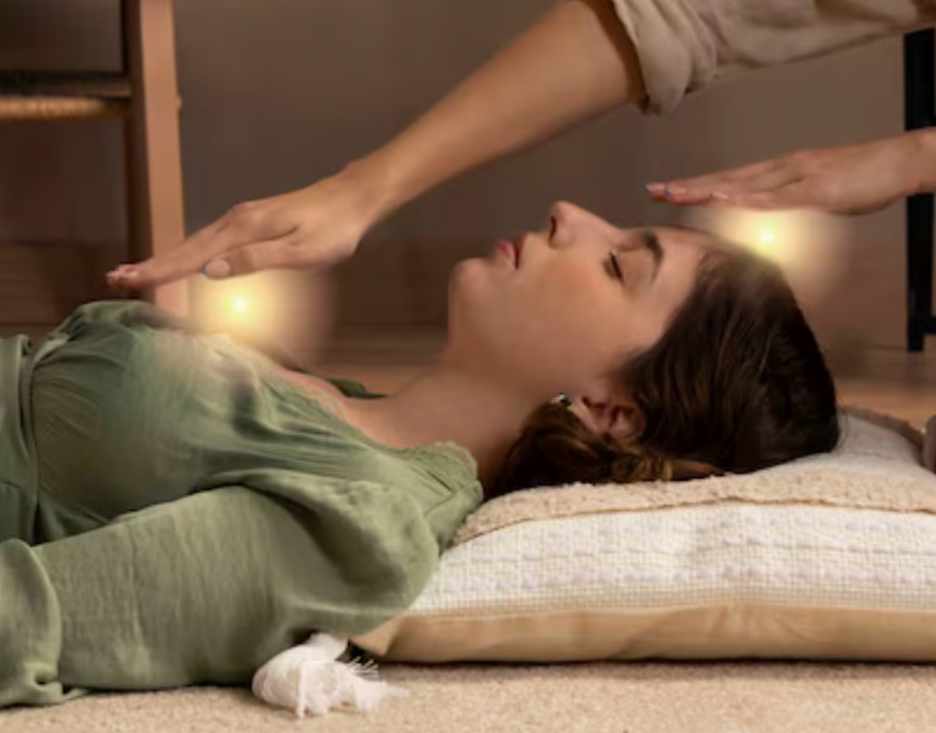
The practitioner gently places their hands on or just above specific areas of the body. These areas often correspond with major energy centers known as chakras.
The intention of the session is to:
remove energetic blockages
restore energetic balance
support emotional healing
promote deep relaxation
encourage the body’s natural healing response
Reiki is often described as working with the energetic blueprint of the body, helping restore harmony on both physical and emotional levels.
What Happens During a Reiki Session?
One of the reasons Reiki is so popular is that the experience is deeply relaxing and completely non-invasive.
A typical Reiki session usually lasts 45 to 60 minutes.
Here is what you can expect during your first session.
1. A Calm Healing Environment
Most Reiki sessions take place in a peaceful setting designed to promote relaxation.
Soft lighting, calming music, and a quiet atmosphere help create a safe and soothing environment.
2. You Remain Fully Clothed
Unlike massage therapy, Reiki does not require removing clothing.
Clients usually lie comfortably on a massage table or sit in a relaxed chair.
3. Gentle Hand Placement
The practitioner will place their hands lightly on or slightly above different areas of the body, often including:
the head
shoulders
heart area
stomach
legs
feet
Each position allows energy to flow to different parts of the body.
4. Deep Relaxation
Many people experience an almost meditative state during Reiki.
Common sensations reported include:
warmth
gentle tingling
emotional release
deep calm
feeling lighter afterward
Some people even fall asleep during their session, which is perfectly normal.
Reiki continues to work even if you drift into sleep.
The Benefits of Reiki Healing
Although Reiki should not replace professional medical care, many people use it as a complementary healing practice.
Some commonly reported benefits include:
Stress Reduction
One of the most immediate benefits of Reiki is deep relaxation.
By calming the nervous system, Reiki can help reduce physical tension and mental stress.
Emotional Healing
Reiki may support emotional processing and release.
People often report feeling lighter after sessions, especially when dealing with grief, loss, or emotional trauma.
Improved Sleep
Because Reiki promotes relaxation, it may help improve sleep quality for people who struggle with insomnia or restlessness.
Increased Mental Clarity
Many people experience improved focus and clarity after Reiki sessions.
This can be especially helpful for those feeling mentally overwhelmed.
Spiritual Connection
For spiritually minded individuals, Reiki can deepen awareness and connection with the inner self.
Some describe it as a practice that helps reconnect them with their intuition, inner guidance, or soul path.
Reiki and the Chakra System
Many Reiki practitioners work with the seven major chakras, which are believed to be energy centers within the body.
These include:
Root Chakra – stability and grounding
Sacral Chakra – emotions and creativity
Solar Plexus Chakra – personal power and confidence
Heart Chakra – love and compassion
Throat Chakra – communication and expression
Third Eye Chakra – intuition and insight
Crown Chakra – spiritual connection
When these energy centers become blocked or imbalanced, emotional or physical discomfort may arise.
Reiki aims to restore balance across these energy centers, allowing life force energy to flow more freely.
Distance Reiki: Energy Healing Beyond Physical Space
One unique aspect of Reiki is that it can be practiced remotely.
This is known as distance Reiki.
Practitioners believe that because Reiki works with universal energy, healing energy can be directed across time and space.
Distance Reiki sessions are typically performed through meditation and intention.
Many people report experiencing similar sensations during remote sessions as they do during in-person treatments.
This makes Reiki accessible to people anywhere in the world.
Who Can Benefit From Reiki?
Reiki is gentle enough for people of all ages, including children and seniors.
It may be especially beneficial for those experiencing:
chronic stress
emotional burnout
grief or loss
anxiety or overwhelm
major life transitions
spiritual awakening
Reiki is also commonly used with animals, as many pets respond very strongly to energy healing.
Animals are naturally sensitive to energy, which is why Reiki is often used in animal communication and holistic pet care.
Can Anyone Learn Reiki?
Yes. Reiki is typically taught through a process known as attunement, where a Reiki master helps open the student’s ability to channel healing energy.
Training is usually divided into three levels.
Reiki Level 1
Students learn the basics of energy healing and how to perform Reiki on themselves and others.
Reiki Level 2
Practitioners learn additional techniques including distance healing.
Reiki Master Level
This level allows practitioners to teach Reiki and perform attunements for new students.
Many people study Reiki simply for personal healing and spiritual growth, even if they do not plan to practice professionally.
Is Reiki Scientifically Proven?
Scientific research on Reiki is still evolving, but several studies suggest Reiki may support:
relaxation
stress reduction
emotional well-being
pain management
Many hospitals and medical centers now include Reiki as part of integrative wellness programs designed to support patients during recovery.
Even when viewed purely as a relaxation practice, Reiki can provide meaningful benefits for emotional health.
How to Find a Reiki Practitioner
If you are interested in trying Reiki, finding the right practitioner is important.
Look for someone who:
has formal Reiki training
creates a calm and safe environment
practices with compassion and integrity
allows you to ask questions and feel comfortable
Energy healing works best when you feel safe, relaxed, and open to the experience.
Reiki and Intuitive Healing
Many intuitive healers combine Reiki energy work with other spiritual practices such as:
mediumship
intuitive guidance
animal communication
spiritual coaching
These combined approaches can support emotional healing while also offering insight into deeper spiritual questions and life paths.
Energy healing often opens the door to deeper awareness and connection with the soul.
Final Thoughts on Reiki Healing
Reiki healing offers a gentle yet powerful way to reconnect with your natural state of balance.
In a world where stress and emotional overload are common, Reiki invites us to slow down, breathe deeply, and allow healing energy to restore harmony within the body.
For many people, Reiki becomes more than just a wellness practice. It becomes a way to reconnect with the deeper wisdom of the soul.
Healing does not always come from doing more.
Sometimes healing begins when we simply allow ourselves to receive.
Frequently Asked Questions About Reiki
Is Reiki safe?
Yes. Reiki is considered a gentle and non-invasive healing practice.
Do I need to believe in Reiki for it to work?
No. Reiki does not require belief. Many people experience relaxation benefits regardless of their personal beliefs.
How many Reiki sessions should I have?
Some people feel shifts after one session, while others benefit from regular sessions.
Can Reiki help with anxiety?
Many people report feeling calmer and more grounded after Reiki sessions.
✨ Ready to experience energy healing for yourself?
Many intuitive healers incorporate energy work into their sessions to support emotional healing and spiritual clarity.
If you feel drawn to explore deeper connection and guidance, you may wish to book a Soul Speak session with Susan Allen, where intuitive insight and energy work can help bring comfort, healing, and understanding.